
I’ve been lucky enough to witness firsthand the evolution of Britain’s underground music scene – a landscape that’s constantly shifting and innovating. From the emergence of post-punk in the late 1970s to the current explosion of indie and electronic acts, it’s a scene that’s more vital than ever. For me, Britain’s underground music scene is a treasure trove of talented artists pushing the boundaries of sound, and I feel privileged to be a part of it.
Independent Venues: The Heartbeat of Underground Music
At the heart of Britain’s underground music scene are the independent venues that provide a platform for emerging artists to showcase their talents. Places like the iconic 100 Club in London and the legendary King Tut’s Wah Wah Hut in Glasgow have played a crucial role in nurturing the careers of numerous iconic acts. These intimate settings allow artists to connect with their audience in a way that’s impossible in larger, more commercial spaces – it’s not uncommon for artists to cut their teeth in these venues before going on to achieve mainstream success. Think of them as the incubators of creativity, where artists can experiment and hone their craft.
The Power of Online Communities in Promoting Underground Music
In recent years, online communities have become a crucial part of the underground music scene. Platforms like Bandcamp and SoundCloud have democratized the music industry, allowing artists to share their music with a global audience. Online forums and discussion groups have created a space for fans to discover new music and engage with like-minded individuals – it’s amazing to see how these communities can break down geographical barriers and give underground artists a global following. They’re a testament to the power of music to bring people together.
A Brief Look at the Current State of Underground Music in Britain
Right now, Britain’s underground music scene is home to a diverse range of genres and styles. From the psychedelic rock of bands like King Gizzard & the Lizard Wizard to the electronic experimentation of artists like Four Tet, there’s something for every musical taste. The scene is also notable for its eclecticism, with artists often blending different styles to create something unique and innovative. It’s an exciting time to be a fan of underground music in Britain – the possibilities are endless, and the music is more exciting and unpredictable than ever.
A Detour into the World of Entertainment
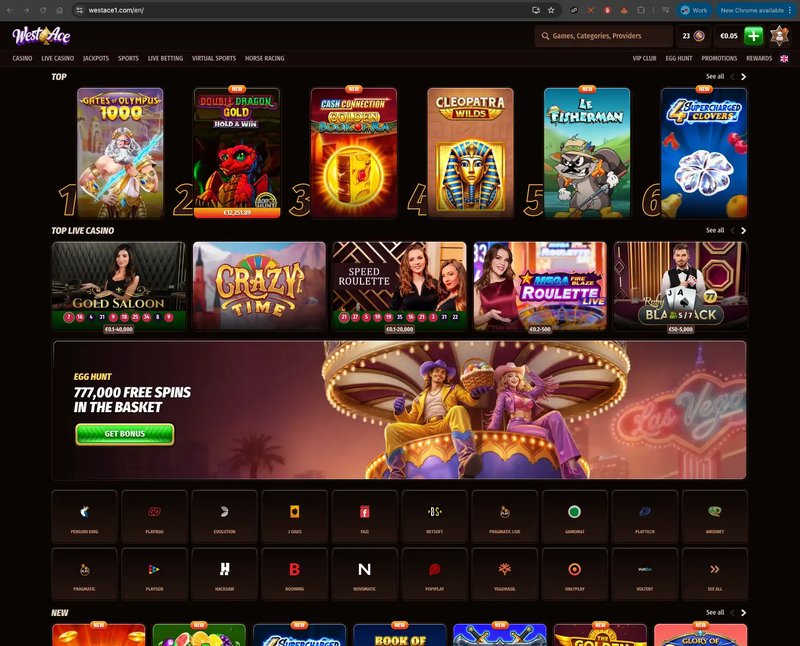
It might seem like a stretch, but there are some interesting parallels between the underground music scene and the world of online gaming and entertainment. Take, for example, the rise of virtual festivals and events, which have allowed fans to experience live music from the comfort of their own homes. This shift towards digital experiences has also led to the development of immersive gaming platforms, which often feature music as a key component. The West ace’s immersive gaming experience is a great example – it combines stunning visuals with a curated soundtrack that perfectly complements the gameplay. Similarly, the underground music scene is all about pushing boundaries and experimenting with new sounds – qualities that are also at the heart of innovative gaming experiences.
The Future of Britain’s Underground Music Scene
As Britain’s underground music scene continues to evolve, it’s clear that there are exciting times ahead. With the rise of streaming services and social media, it’s easier than ever for artists to reach a global audience. Moreover, the proliferation of DIY ethics and community-driven initiatives has created a space for artists to take control of their own careers and create music on their own terms. As a result, the future of Britain’s underground music scene looks brighter than ever – and I, for one, can’t wait to see what the future holds.
A helpful resource is West ace.